Siding Installation: Enhance Your Home's Curb Appeal and Value
Siding installation holds a significant place in determining a home's exterior aesthetic. It improves curb appeal while also adding to the overall value of the property. Homeowners face important decisions regarding materials and styles. Picking the correct siding can have a major effect on energy performance and long-term care. Understanding these factors can guide effective choices. What should homeowners consider when starting this project?
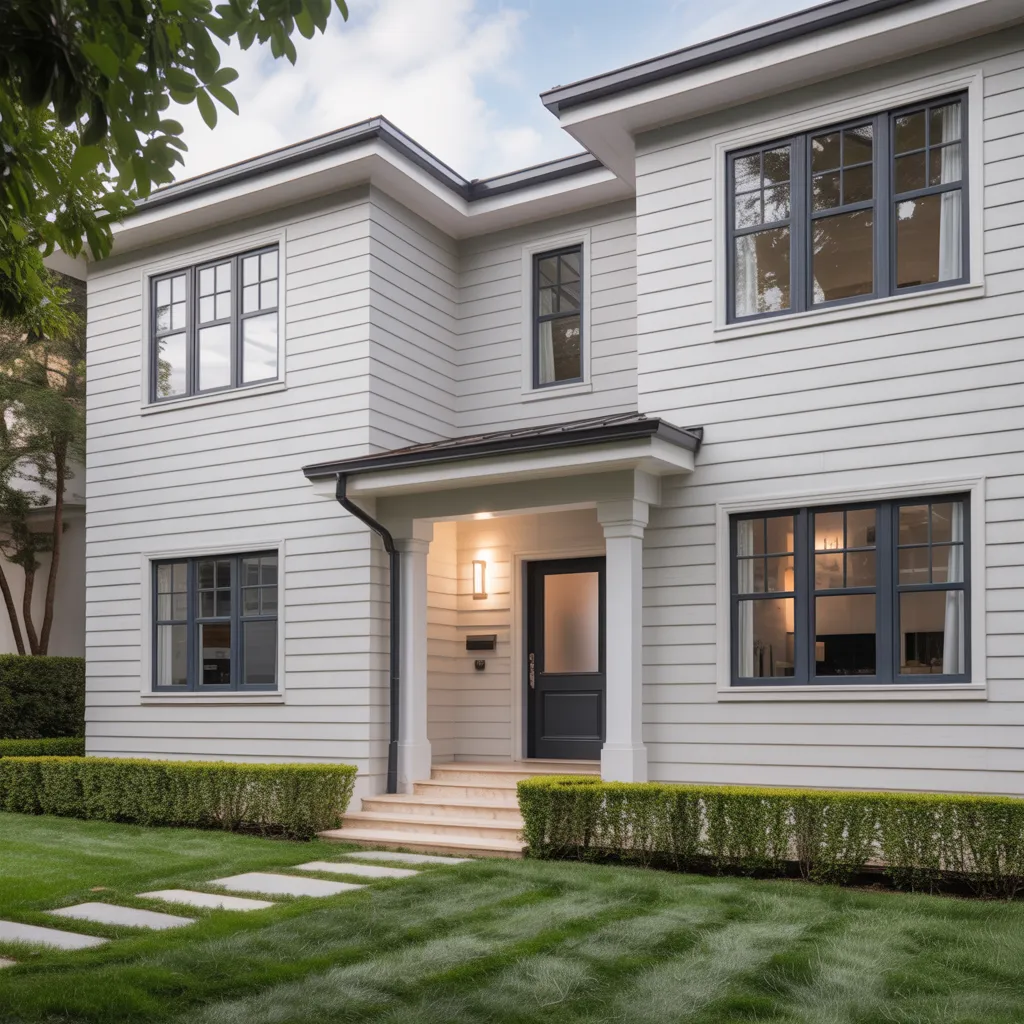
Why Siding Matters for Your Home's Value
Siding functions as a key factor in enhancing a home's overall value. It not only enhances the property's aesthetic appeal but also delivers tangible benefits that can impact potential buyers. Carefully selected siding materials can enhance energy efficiency, reducing heating and cooling costs, which is beneficial to homeowners. Furthermore, siding protects the underlying structure from weather-induced deterioration, thereby extending the longevity of the home.
Houses featuring quality siding tend to command greater resale values, as future buyers value the decreased upkeep and increased curb appeal. Furthermore, today's siding options, such as fiber-cement or vinyl, are built to withstand warping, fading, and pests, further ensuring enduring value. Quality siding can create a positive first impression, making it a smart investment for homeowners seeking to maximize their home's marketability and value.
Choosing and Installing the Right Siding for Your Home
Selecting the right siding for a home involves knowing multiple available materials and the installation process. Each material offers unique qualities and aspects that can determine both appearance and lasting quality. A clear strategy for the steps of installation ensures a proper application, improving the residence's general aesthetic and structural integrity.
Material Options Overview
When choosing the ideal exterior cladding for a house, property owners encounter a variety of material choices that can substantially influence both aesthetics and performance. Vinyl siding is popular for its affordability and low maintenance, while wood offers a classic look but requires more upkeep. Fiber cement delivers exceptional durability and protection against pests, making it an excellent choice for diverse weather conditions. Metal siding, commonly aluminum or steel, is celebrated for its durability and sleek aesthetic. Additionally, brick and stone veneer add significant value and timeless appeal but come with higher installation costs. The choice ultimately depends on budget, desired style, and local climate conditions, helping homeowners arrive at a thoughtful choice that improves their home.
Installation Steps and Procedures
Choosing the ideal siding for a home involves a systematic approach that harmonizes aesthetics, functionality, and installation requirements. Initially, homeowners should examine their local climate and architectural style, ensuring the chosen material complements their home's design and handles environmental conditions. Subsequently, they must calculate the exterior dimensions precisely to determine the quantity needed.
When the siding material is selected, preparing the surface is a necessary step, encompassing necessary repairs and proper cleaning. A moisture barrier should be installed to protect against water damage. Once that is complete, the siding is cut to size and secured with appropriate fasteners, to guarantee accurate alignment throughout. As a final step, homeowners are encouraged to finalize the work with trim pieces and caulking to enhance durability and appearance, wrapping up a transformation that elevates curb appeal and home value.
Siding Materials Compared: Finding the Best Choice for Your Home
Which siding material best suits a homeowner's needs? Homeowners are frequently presented with numerous options, each offering unique benefits. Vinyl siding is a popular option due to its affordability and low maintenance requirements, making it ideal for budget-conscious individuals. In contrast, wood siding delivers a beautiful appearance and inherent insulation benefits yet necessitates routine care to ward off deterioration. Fiber cement siding blends resilience with the aesthetic of wood, granting resistance to insects and the elements, while stone and brick choices yield remarkable longevity and enduring sophistication, albeit with a steeper price tag. Metal siding, often seen in modern designs, is also an option, known for its strength and fire resistance. At the end of the day, the ideal decision copyrights on elements such as financial constraints, environmental climate, and the homeowner's aesthetic vision. Homeowners are encouraged to carefully assess these aspects in order to identify a siding material that elevates their home's exterior appearance and long-term worth.
How New Siding Can Boost Your Home's Energy Efficiency
Upgrading to new siding can significantly improve a home's overall efficiency. Modern siding materials are crafted with advanced insulation properties that assist in maintaining indoor temperatures, minimizing the need for heating and cooling systems. As an example, insulated vinyl siding can significantly lower energy bills by limiting heat loss in winter and maintaining cooler indoor temperatures in summer.
Additionally, modern siding materials commonly offer sun-reflecting finishes that work to deflect UV rays, helping to reduce air conditioning expenses. Homeowners may choose from multiple choices, including composite siding and fiber cement, which not only enhance home insulation but also repel moisture and pests, enhancing durability.
Correct installation is essential for achieving peak energy efficiency. Gaps or poor sealing can undermine the benefits of upgraded siding. With a commitment to quality materials and skilled installation, homeowners can experience a significantly more comfortable home while also elevating their home's resale value through better energy performance.
What You Can Expect During the Installation Process
Throughout the new siding installation process, homeowners can look forward to a professionally managed process that takes place across multiple critical phases. Initially, the installation professionals will conduct an assessment of the existing structure, ensuring that any necessary repairs are addressed before the new siding is installed. After that, the old siding is systematically stripped away, followed by the installation of a water-resistant barrier to protect the structural components below.
When these preparations are finished, the new siding is set up, which may involve careful measurements and trimming to fit around doors and windows. Homeowners can expect to see the siding being secured using appropriate fasteners to guarantee durability. Throughout the installation process, workers will preserve a neat and structured workspace, reducing disturbance to the home. Finally, a thorough inspection is performed to ensure the installation adheres to quality benchmarks, leaving homeowners with a renewed exterior appearance that enhances both curb appeal and property value.
Maintenance Tips for Long-Lasting Siding Performance
To ensure ideal durability and effectiveness of siding, a regular cleaning routine is necessary. Moreover, regular inspections for wear and tear can allow you to spot issues before they become severe. These preventive actions play a major role to preserving the condition and aesthetics of the siding material over the long term.
Consistent Cleaning Schedule
Maintaining consistency in upkeep is vital for protecting the lifespan and appearance of siding. Creating a consistent cleaning regimen can substantially boost its performance and overall appearance. It is recommended that homeowners clean their siding no less than twice per year, optimally during the spring and fall seasons. This routine helps remove dirt, mold, and mildew that can accumulate over time, preventing discoloration and damage. A soft rinse with a blend of water and mild cleaning solution is usually enough. For tougher stains, a soft-bristle brush or a pressure washer on a low setting may be appropriate. By adhering to this cleaning regimen, homeowners can guarantee their siding remains in excellent condition, ultimately contributing to the overall curb appeal and value of the property.
Check for Damage
Consistently checking siding for damage is vital for keeping it in optimal shape. Homeowners should check for signs of wear, such as cracks, warping, or peeling paint, which can indicate underlying issues. Furthermore, the regions surrounding windows and doors are notably prone to damage and should be examined closely. Moisture buildup or mold growth may signal that the siding is failing to offer sufficient coverage, warranting immediate attention. Periodic evaluations, particularly following harsh weather conditions, can assist in detecting problems sooner, reducing the risk full article of significant repair costs later. It is also recommended to check for pest activity or evidence of decay, as these can undermine the siding's performance. Prompt upkeep ensures long-term durability and improves the general appearance of the property.
Frequently Asked Questions
What Is the Typical Duration of Siding Installation?
Siding installation generally requires one to three days, based on the size of the home, the siding type selected, and current weather conditions. Homeowners should anticipate potential delays if substantial repairs are needed prior to installation.
Can I Install Siding Myself or Hire a Contractor?
It is possible to install siding yourself if they possess the necessary skills and tools; that said, engaging a professional contractor generally provides greater quality and efficiency. Weighing personal capability against professional expertise is essential for a successful outcome.
What Are the Best Colors for Siding to Increase Value?
Classic shades like gray, beige, and white are known to boost property value, appealing to a broader audience. Strong hues are capable of standing out but could reduce the pool of interested buyers, making classic tones a safer investment for resale.
Does Siding Installation Require Permits or Inspections?
Installing siding frequently necessitates permits and inspections, depending on local regulations. Homeowners ought to speak with local officials to understand the exact requirements, maintaining compliance and steering clear of potential penalties or complications during the installation.
How Can Siding Influence My Home Insurance Premiums?
Siding may impact home insurance rates by affecting risk evaluations. Resilient materials often decrease costs, while less resilient options might elevate expenses. Insurance companies typically assess the siding's impact on overall property value and upkeep requirements.